
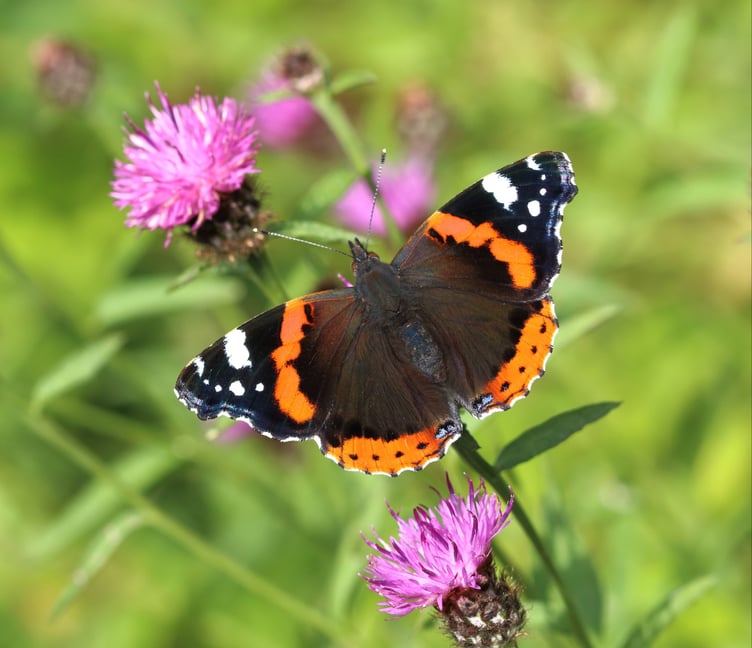
Butterflies and day-flying moths were abundant this past summer, making the most of the hot, sunny weather.
They included a special visitor from Africa – read on for details of that marvellous migrant!
Butterflies need sunshine to warm up their flight muscles so they can fly to find nectar, mate and lay their eggs. But, I wondered: can it be too hot for butterflies?
According to the charity Butterfly Conservation, heatwaves like those we’ve experienced this summer aren’t likely to be a major problem for butterflies themselves; it says most of the butterfly species that occur in the UK experience hotter temperatures every year in other parts of their European ranges.
If it gets too hot, they have strategies to cope, such as being less active in the hottest parts of the day and retreating into the shade.
A study by Cambridge University during the summer heatwave in 2022 found that butterfly flight activity peaked at about 30C at a nature reserve in Bedfordshire, but declined dramatically when temperatures climbed over 36C.
Under these conditions, almost all butterflies retreated to the shade and were inactive. The report adds that although butterflies may be unable to get on with their business under extreme heat, they are likely to be able to compensate for this by being more active earlier and later in the day.
However, a heatwave can cause a problem for butterflies if it affects their offspring. Butterfly Conservation explains that very high temperatures may reduce butterflies’ fertility, as well as killing the eggs they have laid, through dehydration.
However, the biggest threat comes from the drought that often accompanies heatwaves. Hatching caterpillars need fresh green plants on which to feed.
During prolonged drought, many of the plants that caterpillars rely on wither and die, resulting in the caterpillars starving. Fewer caterpillars mean fewer butterflies, so the next generation of butterflies will be much reduced.
.jpeg?width=209&height=140&crop=209:145,smart&quality=75)



Butterfly Conservation says this was seen during a summer drought in 1995, which halved the numbers of species such as ringlet and green-veined white the following year.
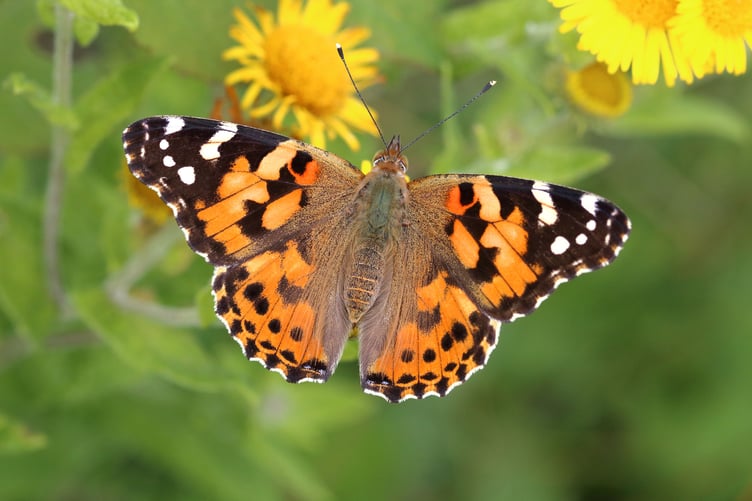
This year was an exceptional year for the painted lady butterfly. Videos on social media show clouds of them flying around farmland to feed and mate in a once-in-a-decade phenomenon known as a “Painted Lady Summer”.
This beautiful butterfly with a wing span of 50-56mm is a long-distance migrant that carries out one of the longest insect journeys on the planet. Each year, it spreads northwards from the desert fringes of North Africa, the Middle East, and central Asia, recolonising mainland Europe and reaching Britain and Ireland.
Painted Lady butterflies reaching the UK originate in sub-Saharan Africa, but their migration takes several generations of butterflies to complete: those leaving Africa are not those that arrive in the UK.
The number arriving here each year depends on the breeding success at each step in the migration journey, particularly on the availability of caterpillar food plants.
Adults born in sub-Saharan African during the winter fly to north Africa, where they mate and lay eggs, then those offspring migrate across the Mediterranean Sea to southern Europe.
The offspring of that generation arrived in the UK in late spring, mated and laid eggs, then a new generation of “home grown” painted lady adults emerged across the country during the summer.
Unfortunately, the species is unable to survive our winter in any stage (egg, pupa or adult): the painted ladies we see next year will be the result of a new multi-generational migration.
Comments
This article has no comments yet. Be the first to leave a comment.