
From next week, elected councillors will lose their say on the vast majority of planning decisions. Councils across Surrey are implementing sweeping changes imposed by the Labour Government.
Local councillors will attest that planning generates more correspondence than almost any other issue. People care deeply about the places where they live and understand the impact a poor planning decision can have. It can completely change the character of a village, affect neighbouring homes or, with major developments, shape a community for generations.
Historically, our planning system has recognised the importance of local democracy. If residents or a parish council have serious concerns about an application, they can ask their local councillor to seek to call it in to the planning committee. Applications attracting significant public opposition can be heard publicly by the planning committee.
Under the Government's new national scheme, however, the vast majority of applications will have to be determined by planning officers alone. The remainder will also default to officer determination unless they pass a new "Gateway Test" and, crucially, it is officers who have the final say.
The Conservatives opposed these changes in Parliament. Shadow Housing and Planning Minister Gareth Bacon described them as "removing local councillors' ability to have their say" and replacing the existing system with one "written and imposed top-down from Whitehall" – "a further insult to the town hall".
I accept that planning committees aren't perfect. Meetings can run long and decisions are often difficult. Good decision-making requires properly trained councillors who understand that planning decisions must be made on planning grounds rather than party politics.
But councillors bring something that no planning report can replicate: detailed local knowledge and democratic accountability.
We know where roads are gridlocked, where flooding and sewage problems persist, and why particular green spaces and community facilities matter locally. Crucially, residents both for and against an application can attend a public meeting, make their case and see their elected representatives weigh up the arguments before reaching a decision.
The Government argues these reforms will speed up planning and focus committees on the most significant applications. But efficiency cannot mean removing elected representatives from difficult decisions and replacing them with unelected officers.
Nor am I convinced these changes will achieve the Government's objective. Around 96 percent of planning decisions are already made by officers under delegated powers. Why remove democratic scrutiny from the small number that remain?




In Surrey, our communities are already facing substantially increased housing targets and major changes to national planning policy, including changes affecting Green Belt and so-called "grey belt" land.
Yet the fundamental problem remains the same: housing growth is too often proposed without the roads, schools, GP capacity, sewage infrastructure and other improvements needed to support it.
Against that background, the Government should be listening to the voices of local communities, not weakening them. I am not holding my breath.
Surrey's councils have little choice about implementing the legislation: the changes are mandatory. We will lose transparency, local representation and democratic scrutiny.
Planning decisions shape the places we call home. Surrey residents deserve a meaningful voice in those decisions – and the councillors they elect should still be able to represent that voice.
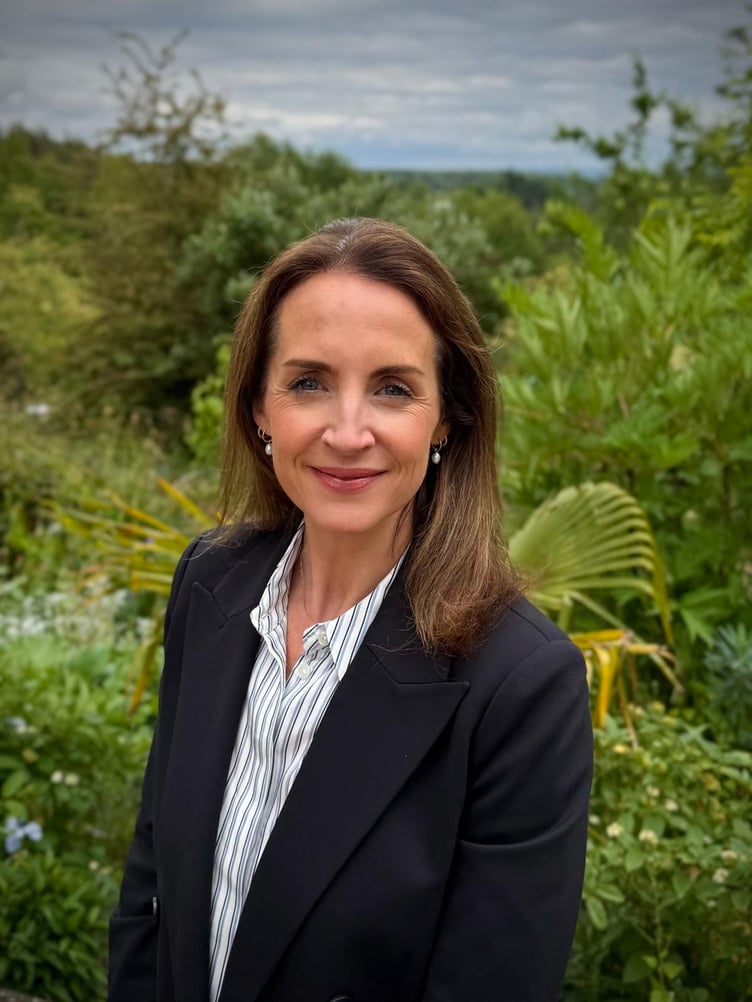
*Cllr Jane Austin is Leader of the Opposition at West Surrey Council and Leader of Waverley Conservatives
Comments
We've recently changed our login process. If you have an account for commenting, you will need to re-register on the login window.
This article has no comments yet. Be the first to leave a comment.