
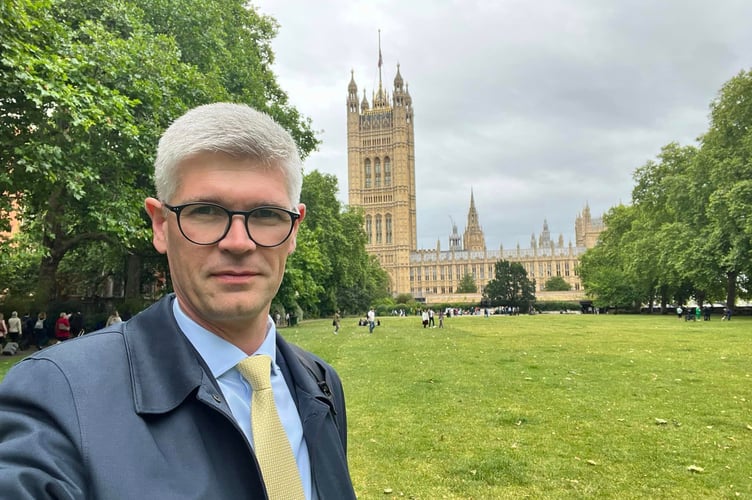
The UK has a new Prime Minister once again, with former Greater Manchester mayor Andy Burnham becoming the country's fourth prime minister in five years and the seventh since 2016.
At this point, it almost feels like there's a conveyor belt running through Number 10. One Prime Minister in, another out. Some have lasted years, others only a matter of weeks. Whatever your political views, it's been a remarkably unsettled period in British politics.
Keir Starmer's time in office lasted two years. They were not easy years. His government inherited difficult economic circumstances and faced pressure on public services, public finances and living standards.
But while there was sympathy in some quarters for the challenges he faced, a number of policies proved controversial. Changes to winter fuel payments, inheritance tax arrangements affecting some farming families and VAT on private school fees all sparked strong reactions and plenty of debate.
Not to forget his lack of progress on European relations post Brexit.
As time went on, questions began to be asked about whether Starmer still had the backing of his party. A series of cabinet resignations only added to the pressure, with senior figures including Wes Streeting and John Healey leaving government. When ministers start heading for the exit, people inevitably begin wondering how long the Prime Minister has left.
That brings us to the Makerfield by-election. A backbench Labour MP stepped down, creating a route back into Westminster for Andy Burnham. The former Greater Manchester mayor won the seat and returned to Parliament just as speculation about Starmer's future reached its peak.
It wasn't long before the rumours were confirmed. Starmer resigned, Burnham became Labour leader, and shortly afterwards moved into Number 10. It just seems to be mapped out perfectly for the “King of the North”.
The change has sparked an interesting debate. Should someone who has only recently become an MP be able to become Prime Minister so quickly? Under the UK's parliamentary system, that's entirely possible.
Some argue that voters elect their local MP, not a Prime Minister directly, so leadership changes between elections are part of how the system works. Others feel that when a new leader takes over, they should largely stick to the programme voters backed at the last general election.



Burnham has already begun putting his own stamp on government. He has announced a national bus fare cap, removed VAT from energy bills and outlined plans for a new "Number 10 North" alongside further devolution proposals.
Supporters see that as a fresh direction. Critics question whether voters were ever asked about those changes in the first place.
Whichever side of the argument you fall on, one thing is certain: British politics rarely stays still for long.
Comments
This article has no comments yet. Be the first to leave a comment.