
There’s a wonderful frisson about Melbourne on Christmas Day. It’s the next day which is the cause of much excitement.
The city is full to bulging when an Ashes Test comes around every four years, whether it’s Victorians in their own capital, Australians making the trip or the large contingent of England supporters, even if their side are getting the usual pounding.
Many take the tram, all free on that day, which heads past the Anzac Memorial and Albert Park - home of the Australian Grand Prix - to St Kilda for a stroll on the beach or refreshments in one of the many cafés.
But you can’t always expect ideal weather for sunbathing there. Melbourne’s climate is notoriously fickle and on one trip I witnessed my only White Christmas, if only briefly, when a hailstorm hit the city. A fleece is advisable given the rapid changes in temperature or you risk returning home with a cold.


.jpeg?width=209&height=140&crop=209:145,smart&quality=75)

Although the city continues to spread ambitiously, the centre is small enough to skirt around on foot, and if not then there’s the circular tram among a modern transport infrastructure which puts most cities - including London - to shame.
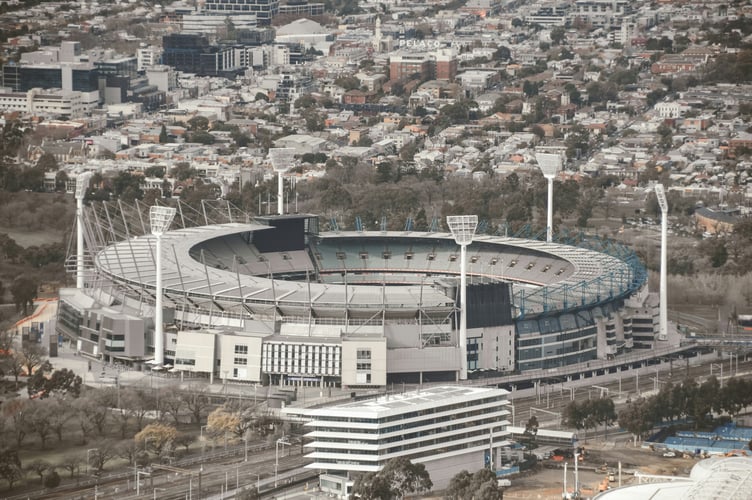
Many hotels, whether in the central business district, South Yarra or Richmond, are within walking distance of the Melbourne Cricket Ground, which can accommodate more than 100,000 spectators.
That’s handy for the first day of an Ashes Test, which is a social event as a prime sporting occasion. Otherwise the capacity is tested by the Australian Rules Football final - Melbourne is the home of that sport, and modern developments such as the rebuilt pavilion make it feel more like an AFL arena than a cricket ground in many respects.
But it’s impossible not to be awed by the size, atmosphere and history of the MCG from the moment you approach it, the statues of Dennis Lillee and Shane Warne guarding each end.
It was there that the first Test match was played, in March 1877, when Australia overcame England by 45 runs, a result replicated exactly when the teams met for the centenary contest.
Since then it has certainly brought more joy to England than the likes of Perth and Brisbane, although that’s not saying much. In 1954-55, with the series level at 1-1, Colin Cowdrey’s maiden century in the first innings and Peter May’s 91 in the second meant Australia needed 240 for victory, only to be rushed out for 111 by Frank ‘Typhoon’ Tyson’s seven for 27.
Other highlights for the tourists include a half-fit Ian Botham combining with Gladstone Small in 1986 to take five wickets each in the first innings, the home side bowled out for 141 before Chris Broad’s century ensured a giant lead of 208 on the way to winning in three days.
That innings victory ensured the Ashes were retained, and that’s how it worked out on England’s last successful tour down under in 2010-11.
Reaching Melbourne at 1-1, they bowled out Australia for 98 and finished a dream Boxing Day at 157 without loss, much of the home crowd having gone home long before the end. Jonathan Trott’s 168 piloted England to 513 all out. Victory by an innings and 157 runs was secured on the fourth morning and the victory lunch was savoured by those who had made the long trek.
Richard Spiller
Comments
This article has no comments yet. Be the first to leave a comment.