
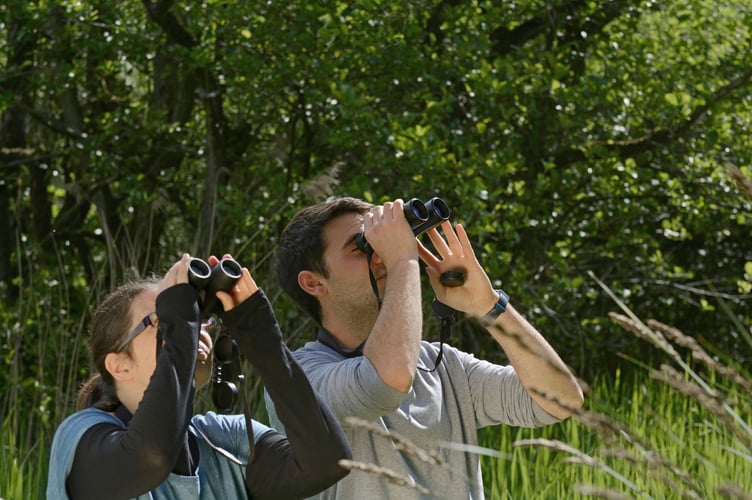
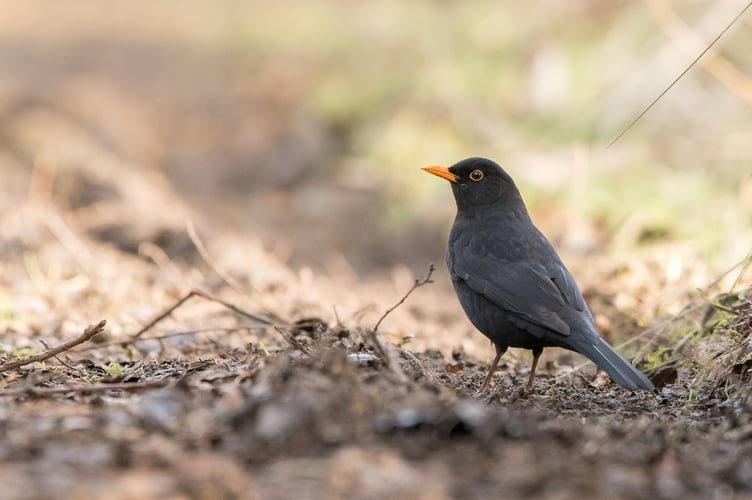
Spring is a busy time for our wild birds. The birdsong is growing in variety and volume as our feathered friends call for mates and mark territories. Many are scouting for nesting places or constructing nests to raise families.



Yet for many bird species the spring migration to our shores is under way: some fly thousands of miles in one of nature’s amazing feats of resilience and strength.
They come here because our temperate climate is the best place in which to raise their young: in spring and summer our days are cooler but longer than those in Sub-Saharan Africa, where many of the birds come from.
This means they can spend longer hunting for the food needed for their family to grow. There is also less competition for food and there are fewer predators than in Africa.
The RSPB charity has published an “Arrivals Board” showing typical arrival months when many migrant birds return. You can see it here: rspb.org.uk/birds-and-wildlife/spring-arrivals
If you are really keen on birds you probably took part in the RSPB Big Garden Birdwatch that takes place each year on the last weekend in January.
That’s often a disappointing time to spot wild birds so, now there are many more wild birds about, perhaps you’ll take place in a new springtime survey Birds in Greenspaces, launched by the British Trust for Ornithology (BTO).
This UK-wide “citizen science” survey is of birds that use public access greenspaces such as parks, churchyards, school grounds and playing fields.
The project will run during the bird breeding season, from 1 April to 30 June 2026, when many familiar species such as blackbird, robin, blue tit and woodpigeon will be in full song, searching for mates, building nests and raising chicks.
For many wild birds, our public outdoor places can provide an essential oasis, offering vital food and shelter in an otherwise built-up environment. For people, they are important hubs for socialising, exercise, dog-walking and cultural activities.
They also often provide the only accessible place for residents of urban and suburban areas to connect with the natural world – which has been proven to be beneficial for mental health and overall wellbeing.
Public access greenspaces in cities, towns and villages across the UK cover a wide range of habitats, providing a haven for wildlife on our doorstep. The way in which these landscapes are managed also varies, determining which birds, and how many of them, make use of the sites.
If we can identify the importance of different greenspaces for birds, and people, we can use the findings to inform management guidance, so that decisions may be made that benefit both.
Birds in Greenspaces is open to people of all ages and experience levels, not just experienced birdwatchers, or those with a background in natural history. BTO invites as many people as possible to get involved, either on their own or in organised groups, to take part in this innovative and enjoyable project.
You record your sightings on a paper form, then submit details on a computer later, or use a free easy to use app, available for Android and Apple devices from 1 April.
For full details visit the Birds in Greenspaces webpage at bto.org/greenspaces
The BTO encourages everyone to get involved, to learn about and connect with the wildlife in their local greenspaces, and help it build an accurate picture of the birds that share those public places with us.
Comments
We've recently changed our login process. If you have an account for commenting, you will need to re-register on the login window.
This article has no comments yet. Be the first to leave a comment.