
This year’s drought depleted reservoirs and other inland lakes, causing concern for our water supplies.
Scientists at the British Trust for Ornithology (BTO) are also worried because the UK is an important wintering ground for millions of water birds, such as geese, swans, ducks and waders.
These migrate here to take advantage of our relatively milder climate and food-rich coastal and inland wetlands, travelling from Iceland, Greenland, the Canadian Arctic, Scandinavia, Eastern Europe and Russia.
Will these wildfowl havens be in good enough shape after the drought to welcome these winter visitors?
Last weekend about 5,000 volunteers were out counting water birds on our estuaries, shores and inland waters, as part of monthly surveys that have taken place for 50 years.
The Wetland Bird Survey (WeBS) is coordinated by the BTO in partnership with the RSPB and the Joint Nature Conservation Committee (JNCC). It allows scientists to assess the changing population and distribution trends of many wildfowl and wader species.
The results of the UK-wide survey will help shed light on changes in UK water bird populations and distribution.
.jpeg?width=209&height=140&crop=209:145,smart&quality=75)



From data gathered over previous surveys, ornithologists have been able to determine that, overall, water birds in the United Kingdom increased in number between 1970 to 1994, particularly in and around estuaries.
However, during the following 25-year period, the results were mixed, as geese and swan populations increased, and waders declined between 1995 and 2019.
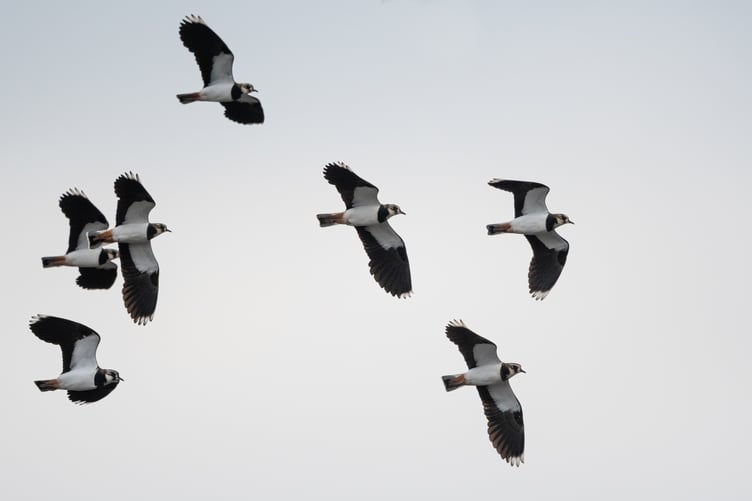
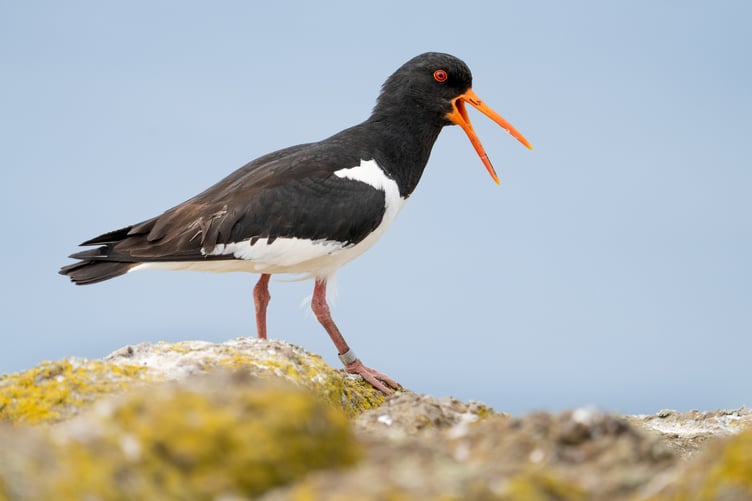
Among the many other discoveries over the 50 years of data gathering is the importance of human-made habitats such as reservoirs for several species of migratory ducks such as tufted duck and pochard, as well as some waders including lapwing and oystercatcher.
With increasing pressure being put upon these artificial wetland habitats through changes in the climate, will they continue to provide a haven for declining species? And what are the key drivers behind the changes that we have already detected during the past 25 years?
Thanks to the thousands of birdwatchers who volunteer their time to take part in the survey, we can hope to have a much clearer picture of the numbers of birds using our varied natural and human-made wetland sites this winter.
Dr Teresa Frost, BTO’s head of waterbird monitoring said: “With 50 years of data, we can see significant change impacting on the UK’s wintering water birds across various habitat types. Our findings can help inform conservation action, which will hopefully secure a better future for many of these migratory species.”
Dr Katie August, evidence specialist at JNCC added: “It is only with the continued dedication of the individuals collecting these data that we can have these insights to help advise conservation priorities.”
Simon Wotton, senior conservation scientist at the RSPB, said: “The majority of our migratory wetland birds will have arrived via the East Atlantic Flyway, a migration route connecting the UK with over 70 other countries and used by more than 350 migratory species.”
Simon explained that along the flyway are a vital network of wetland sites whose protection depends on international collaboration between partners of BirdLife, the only global partnership conserving birds and all life on our planet. Its partners include the RSPB.
He continued: “The data gathered by WeBS volunteers is key to directing and informing this coordinated action.”
Analysis of WeBS data collected over the coming months will reveal to scientists if the lasting effects of the drought affect migrating birds. It should make interesting reading.
For more about the Wetland Bird Survey visit https://tinyurl.com/4jdk7yjk
Comments
We've recently changed our login process. If you have an account for commenting, you will need to re-register on the login window.
This article has no comments yet. Be the first to leave a comment.