
-Katrina-Martin-2020-Vision.jpeg?width=752&height=500&crop=752:500)
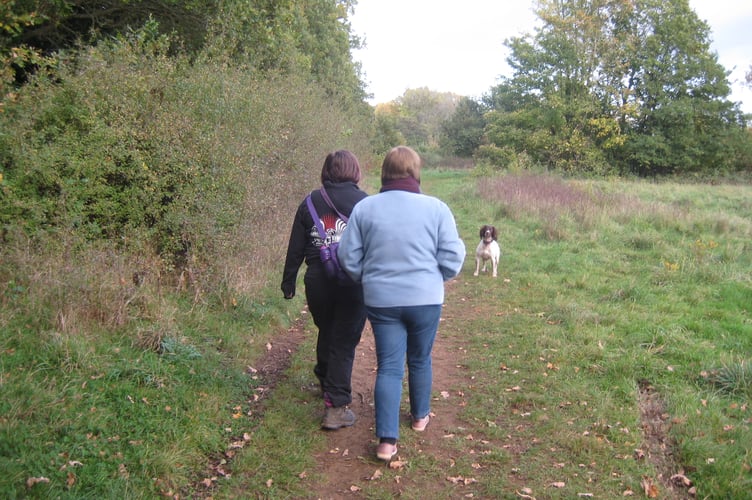
June is arguably the best month to notice nature.



Have you noticed new perspectives towards nature already? Bees are busy. The light is lingering longer in the evenings. Wildflowers are pushing through cracks in the pavement. The dawn chorus of birdsong is at its peak.
June is an ideal time to connect with nature. And doing that is scientifically proven to make you feel happier and healthier: so how about doing something “wild” with nature every day in June?
The Wildlife Trusts, of which Surrey Wildlife Trust is a member, are again running their 30 Days Wild nature challenge throughout June. 30 Days Wild is the UK's biggest nature challenge: to do one “wild” thing a day (or a few each week), from giving nature a helping hand to simply noticing the wildness on your doorstep.
We may be just a few days into May but that leaves plenty of time to plan taking part, whatever your age. There’s no set structure, so you can take part in a way that suits you.
To help you on your way, The Wildlife Trusts can provide you with a free pack of goodies to inspire your wild month: visit www.wildlifetrusts.org/30dayswild where you can download a poster planner for your 30 Days Wild activities, and a fun colouring sheet for children.
They suggest four themes, one for each week during June: “Help nature where I live”, ”Discover wildlife with my senses”, “Learn about wildlife” and “Get creative with nature and celebrate”.
Your daily wild activities can be anything you like. You might be watching bees on Sunday, having breakfast with the birds on Monday, feeling the grass between your toes on Tuesday and watching wildlife webcams on Wednesday.
Listen out for birdsong and learn which bird species you can hear. Get up early and watch the sunrise. Stay up late and look at the stars.
If it’s a day with white fluffy clouds in a blue sky, how about just lying on the floor and looking for shapes in the clouds? If it’s wet, how about puddle-splashing? How many different types of tree can you spot in a 10-minute walk from your home? Visit a nature reserve: how many types of birds can you spot, how many plant species doyou see?
Earlier, I mentioned Surrey Wildlife Trust. It says the wildlife which should enrich our lives is vanishing fast.
It asks Surrey people: “When did you last see a hedgehog? Does your garden buzz with bees, butterflies and birds like it used to?”
Most would probably say they don’t see wild creatures as much as they used to. The trust often launches new initiatives to help reverse nature’s decline.
This year it launched a “Neighbourhoods for Nature” campaign, which aims to raise £40,000 to scale up work with local people to create and connect wildlife-rich gardens, streets and public spaces across residential areas and community spaces.
Working closely with local people, they will restore local habitats and help once-common species like hedgehogs, house sparrows and slow-worms recover.
It wants to build a future in which wildlife of all kinds can move safely across town and country habitats to find food and shelter.
Collective action is a powerful thing, and with our support the trust will encourage, empower and assist people of all ages and backgrounds to act for nature locally.
For more information or to donate visit surreywildlifetrust.org/appeals/neighbourhoods-nature
Comments
We've recently changed our login process. If you have an account for commenting, you will need to re-register on the login window.
This article has no comments yet. Be the first to leave a comment.