

In her series of monthly columns, Byfleet-based author and speaker Hansa Pankhania offers advice on improving wellbeing and reducing stress.
Spring is in the air and it’s the perfect moment to pause and ask yourself how much time you truly spend in nature each week.
And when you do step outside, are you actually present — taking in the trees, the birds, the shifting light — or are you already thinking about the next thing on your to-do list?
I ask because I’ve come to believe something simple but powerful: we are not separate from nature. We are nature. When we forget that, our wellbeing quietly suffers.
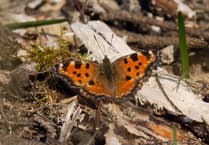
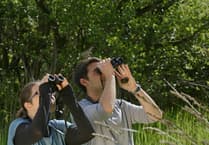


Modern life pulls us into screens, schedules and noise. Nature, on the other hand, brings us back into our bodies and our senses.
It reminds us where we come from. Every breath depends on trees. Every moment of calm outdoors is our nervous system recognising something ancient and safe.
Research supports this — time in natural environments can reduce stress hormones, lower blood pressure, lift mood and even strengthen immunity. But beyond the science, reconnecting with nature feels deeply personal, especially when we do it intentionally.
Step 1 is to try what I call “nature bathing”. Find a quiet spot outdoors and simply sit. Take a moment to arrive, almost as if you’re introducing yourself to the space and imagining it greeting you back. Let your senses open — listen to the sounds, notice the scent of the air, feel your heartbeat. When you allow yourself to be still, the landscape becomes a mirror, reflecting clarity and insight you may not have realised you were seeking.
Step 2 is to turn walking into a mindful ritual. Instead of rushing from one place to another, slow your pace and pay attention to each step. Feel your foot touch the ground, lift and move forward. Notice the birdsong, the crunch of leaves, the way sunlight filters through branches. This isn’t exercise for performance, it’s movement as meditation, a way of letting your mind settle while your body leads.
Step 3 is to make a “nature friend”. Choose a tree or plant you pass regularly and start noticing how it changes through the seasons. Offer it a moment of kindness, even a hug if that feels natural to you. It may sound unusual, but relating to trees as living beings can be grounding, joyful and surprisingly comforting.
Step 4 is to connect with nature through community. Activities such as community gardening, outdoor yoga, open-water swimming, group walks or conservation volunteering blend fresh air, movement and social connection. These shared experiences ease loneliness and remind us that wellbeing isn’t only personal — it’s collective.
Step 5 is to invite more nature into your home environment. You can deepen your relationship with the natural world by increasing biodiversity in your garden or outdoor space. Plant native species, avoid chemicals, leave small areas wild for insects and birds, or create simple habitats like log piles, ponds or hedges. Even small changes bring life back in, and that liveliness nourishes you too.
As cities grow and natural spaces shrink, nurturing our bond with nature isn’t a luxury, it’s essential. When we care for the earth, we care for ourselves.
And when we step outside with curiosity and presence, nature meets us — quietly, generously and without asking for anything in return, instead blessing us with abundant wellbeing.
For more information, visit www.aumconsultancy.co.uk (wellbeing services), www.hansapankhania.com (books) or text 07888 747438.
Comments
We've recently changed our login process. If you have an account for commenting, you will need to re-register on the login window.
This article has no comments yet. Be the first to leave a comment.