
Although our best-known local connection with Grand Prix motor racing today is through McLaren’s F1 team, there’s a much older link, dating back 100 years.



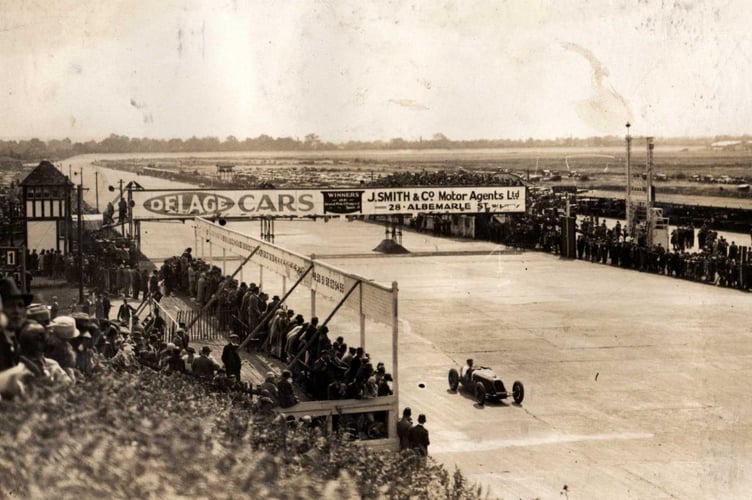
Britain’s first grand prix was staged locally by the Royal Automobile Club in August 1926 at Brooklands, which was the world’s first motor racing circuit, having opened in 1907.
Although racing at Brooklands ended during the Second World War when the site was converted to aircraft production, Brooklands’ connection with motor racing has lived on since Brooklands Museum opened in 1991 on part of the original site.
The museum continues to grow its collection of cars and bikes (racing and road) as well as aircraft including the only Concorde with public access in south east England.
This year, a special centenary celebration will take place at the historic Brooklands circuit on Saturday, 8 August.
An expected 100 grand prix cars from all eras will be on display and in action. In addition, this milestone occasion will also honour the Royal Automobile Club’s role in not only establishing Grand Prix racing in the UK but also as the official organiser of that original pioneering event.
The first 110-lap Grand Prix of the Royal Automobile Club was staged on a special 2.61-mile layout of Brooklands’ famous oval circuit. Sections of the banked track were included, as well as the finishing straight on which two temporary sandbank chicanes were installed either side of the refuelling pits.
Part of the banked track as well as the finishing straight, paddock and pits areas survive today within the Brooklands Museum site.
The first grand prix was won by a car built and owned by the Delage company from France; driving duties were shared by two French drivers: Robert Sénéchal started the race but handed over to Louis Wagner after 87 laps. Malcolm Campbell upheld British honour by finishing second in his privately-owned Bugatti.
Although only nine cars started and just three finished, the advent of grand prix racing in the UK was hailed as a great success. Autocar magazine reported at the time: “Brooklands and the Royal Automobile Club deserve especial congratulation. The whole affair was splendidly organised, the car parks most efficient, and the score boards and numerous loudspeakers made it possible for the crowd to understand exactly what was happening.”
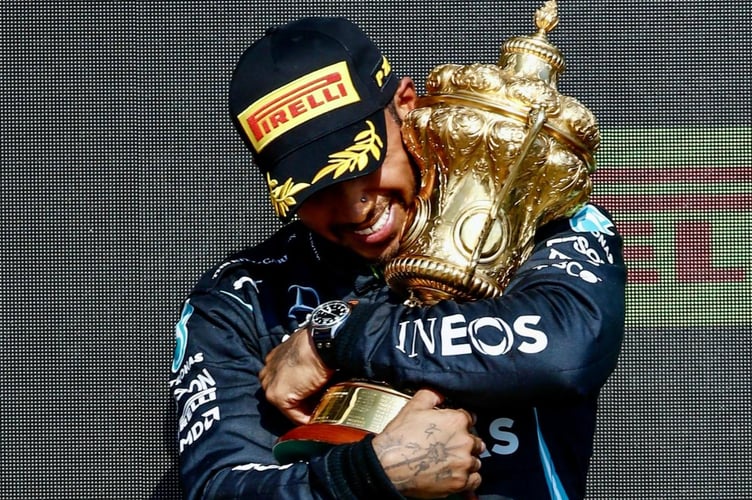
Although times have changed, the club still retains its close relationship with the British Grand Prix, notably as its much-coveted gold trophy is presented annually to the race winner on the victory podium at Silverstone.
Duncan Wiltshire, chairman of the Royal Automobile Club, said: “The Royal Automobile Club is proud to have played such a pivotal role in bringing Britain’s first grand prix to life in 1926. To return a century later to celebrate that historic moment alongside Brooklands is both an honour and a powerful reminder of how far the sport has come since those pioneering days.”
Alex Patterson, chief executive of Brooklands Museum, said: “We are thrilled to welcome the Royal Automobile Club’s support for this special centenary celebration. The 1926 race was a defining moment not just for Brooklands but for the development of international motor racing in the UK, and it is fitting that we commemorate it with the organisation that helped make it happen.”
For tickets and more information about the Brooklands Grand Prix Celebration on 8 August visit www.brooklandsmuseum.com.
Comments
We've recently changed our login process. If you have an account for commenting, you will need to re-register on the login window.
This article has no comments yet. Be the first to leave a comment.