

One of the questions I often get asked is how an MP’s office operates behind the scenes.
People understandably see Prime Minister’s Questions, speeches in the Chamber, or media interviews, but there is a huge amount of work that happens away from the cameras to make it all possible.
For anyone who has visited the Houses of Parliament, you’ll know Portcullis House is next door. That is where my parliamentary office is based, and where my parliamentary staff work from during the week.
Every MP has both constituency staff and parliamentary staff, with each team playing different but closely connected roles.

.jpg?width=209&height=140&crop=209:145,smart&quality=75)

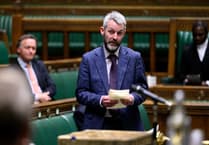
I’ve spoken before about the incredible work my constituency team does every single day. They deal with a huge amount of casework, helping residents with everything from housing and healthcare to immigration issues and local infrastructure concerns.
They meet constituents in surgeries with me, respond to emails and phone calls, and often support people through genuinely difficult situations. It is work that rarely gets seen publicly, but it makes a real difference.
So how does that link to the work happening in Parliament?
The reality is that my parliamentary work is driven by what I hear from residents in Surrey Heath.
For example, if somebody contacts me about an issue such as the future of Frimley Park Hospital, my constituency office would usually be the first point of contact. The team would work to understand the concern fully, often meeting the constituent in a surgery or discussing the issue in detail over email or on the phone.
That information then feeds directly into my parliamentary work. My parliamentary team helps me turn local concerns into action in Westminster. They help draft speeches, oral questions to Ministers, interventions in debates, and submissions to government departments – all based on the issues residents are raising with me directly.
Quite often, politics moves very quickly. Urgent statements can be announced with very little notice, debates can suddenly be scheduled, and national announcements can directly affect Surrey Heath residents overnight. My parliamentary staff help me prepare responses at speed, making sure local concerns are still represented in those national conversations.
One thing that is very important to me is that my parliamentary staff, despite working in London, also understand Surrey Heath properly. All of them are originally from Surrey Heath and have strong local knowledge.
After all, it would feel rather disingenuous if somebody was helping me write a speech about a local issue like the M3/A322 junction without even knowing the frustrations residents experience there.
And while my parliamentary staff are based in Westminster during the week, they are still heavily involved in constituency life as well. They regularly support events locally and join visits to schools, charities, care homes, and community groups across Surrey Heath.
That connection between Westminster and the constituency is incredibly important. Because ultimately, Parliament should never feel disconnected from the communities it represents.
Everything we do in London should come back to improving life for the people we serve here at home.
Comments
We've recently changed our login process. If you have an account for commenting, you will need to re-register on the login window.
This article has no comments yet. Be the first to leave a comment.