
How dangerous are lithium-ion batteries? It’s rare for me to write about a household subject, but battery safety is apt at this time of year with the unwrapping of certain battery-powered Christmas gifts that use this battery type.


.jpeg?width=209&height=140&crop=209:145,smart&quality=75)

Compared to “older” rechargeable battery types, lithium-ion batteries store a greater amount of power relative to their size and weight. They are therefore the batteries of choice for powering smartphones, laptops, power tools, industrial machinery and, increasingly, vehicles ranging from e-bikes and e-scooters to electric vehicles (EVs).
Remember that it’s illegal to use e-scooters on the road or in public spaces, such as parks, street pavements, and shopping centres.
When used and stored properly, lithium-ion batteries are safe. Problems arise when they are damaged, misused, charged or stored incorrectly. Lithium-ion batteries are particularly sensitive to high and cold temperatures, over-charging and over-discharging.
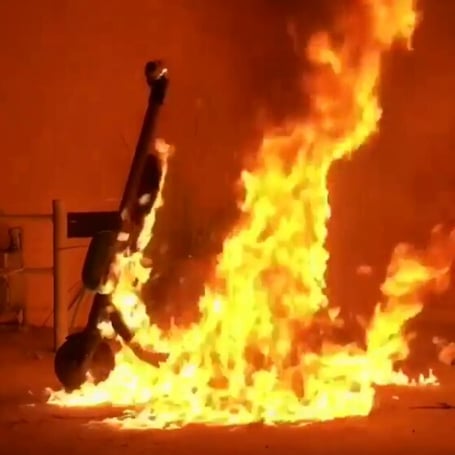
It’s for their use in e-bikes and e-scooters that lithium-ion batteries mostly hit the news headlines, with UK fire services tackling at least three household fires a day caused by lithium-ion battery in these vehicles.
Experts point out that most of these could be avoided if there were stronger regulation and enforcement to prevent the sale, use and modification of poor-quality and potentially dangerous batteries used in e-bikes and scooters.
When used to power vehicles, a quantity of lithium-ion battery cells are packaged together in larger units; any damage to these such as by dropping, piercing or even heavy jolting can trigger an internal fault.
This can cause an electrical short circuit which triggers a process called thermal runaway, where batteries start to overheat irreversibly. The result can be a sudden, violent, explosive fire that burns very differently from a conventional combustion fire.
Compared to other types of fires, lithium-ion fires become explosive very quickly once thermal runaway starts, generating torch-like flames that can spread the fire to the surroundings faster and further.
Many of these fires in e-bikes and e-scooters were found to have been caused by uncertified or modified battery systems. Incidents frequently involve incompatible conversion kits, where regular push-bikes have been retrofitted with motors and batteries.
Other risks include poor-quality battery replacements purchased from unregulated sellers. These uncertified products often lack essential safety features such as overcharge protection or thermal cut-offs.
Fires in EVs can last several times longer and take much more water to extinguish than with petrol or diesel engine vehicle fires.
When EVs are close to other vehicles or inside buildings, the consequences of fires involving lithium-ion batteries can be more widespread to the surroundings than when these are not involved. This includes greater risk of harm to the environment and greater risk of serious injury to people, including firefighters.
If a lithium-ion battery or unit is damaged or no longer needed, it must be taken to an authorised recycling centre. It must never be disposed of through the general household waste to prevent the types of fire they have already caused in waste trucks and landfill sites.
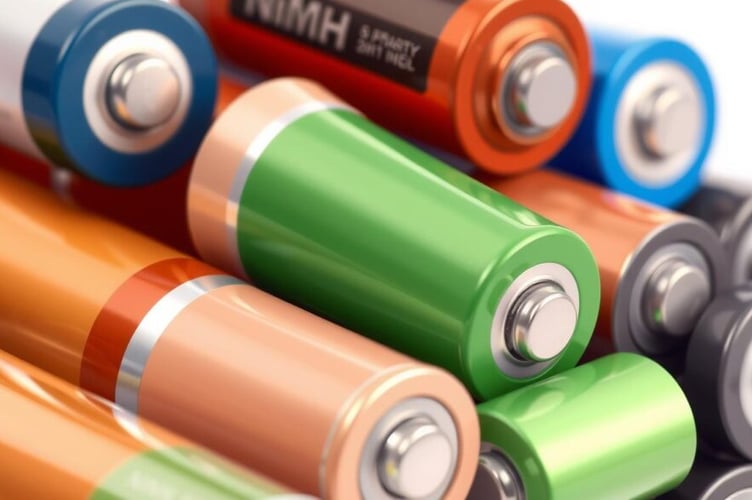
In the home, slot-in rechargeable batteries for toys and lights are usually NiMH (Nickel-Metal Hydride) which are very safe provided you use a good charger, you store them in a cool, dry place and you discard them if they show signs of swelling or leaking.
Let’s end on that positive note: there’s no need for panic if you unwrap gifts powered by lithium-ion batteries this Christmas: they’re perfectly safe if you follow the precautions.
I wish you a very happy and safe Christmas!
Comments
This article has no comments yet. Be the first to leave a comment.