
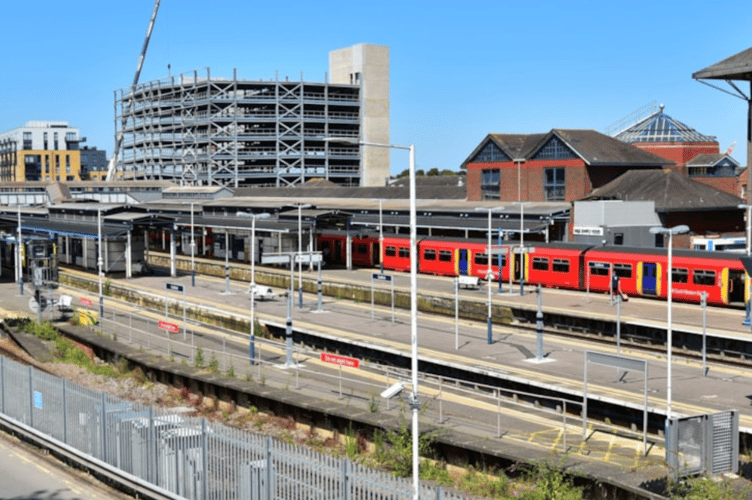
Once-in-a-generation changes aimed at improving rail schedules are being set to be introduced across Surrey but there are concerns about how these may impact level crossing downtime, an MP has said.
South Western Railways (SWR) is set to carry out the first full refresh of train timetables across Surrey for more than 20 years.
The formal public consultation will begin this autumn when the operator publishes its options for the new timetables and will be inviting feedback on the plans.
It said it is doing this because the times and ways people travel has changed,
The new timetable, they say, will better match how passengers travel and come following the widespread introduction of the new, larger and more spacious, Arterio trains across the network.
South Western Railways, which came into public ownership last year, said the new timetable will need to balance journey times, connectivity, train performance and economic value.
Sweeping changes may not be entirely possible however as they need to work within existing infrastructure such as tracks, signals and stations – as well as sharing lines with other passenger and freight services.
SWR said feedback will play a crucial role in designing the new schedules -whether that is improving reliability or making journeys quicker and more convenient.
Previous efforts to increase rail capacity in Surrey, for example the proposed Airtrack line to Heathrow, would have resulted in level crossing barriers to be down for up to 45 minutes every hour in parts of Runnymede leading to concerns that the need to improve services must be balanced by what is best for the whole community.
Posting to Facebook, the Runnymede and Weybridge MP Ben Spencer said: “Residents need no reminder of the impact railways can have.


“The upcoming timetable review presents both opportunities and risks for rail passengers and the wider community, given the impact rail services have on our level crossings and access across the community.
“Current rail services are falling well below the standard passengers should expect with thousands of residents frequently delayed by late trains, cancellations, and missed connections.
“But if changes are proposed to deliver improvements in these areas, they could also affect the frequency and duration of level crossing downtimes.
“It is therefore vital that residents share their views now on what are the most important issues SWR need to address as part of this review ahead of the public consultation being published this year.”
The full refresh of the timetable will be the first major changes across the south and west of England since 2004.
South Western Railway said some technical decisions will need to be balanced, for example between faster journeys from one station and more stops at another.
Comments
We've recently changed our login process. If you have an account for commenting, you will need to re-register on the login window.
This article has no comments yet. Be the first to leave a comment.