
Cancer plan is only first step
September is Blood Cancer Awareness Month, and as part of our Let’s talk lymphoma campaign, Lymphoma Action is inviting people affected by lymphoma to write to their MP, MSP or MS and ask them to raise important issues about lymphoma treatment and care in Parliament.
The campaign aims to make it easier for decision-makers to understand the realities faced by people affected by lymphoma, and to encourage practical action to improve diagnosis, treatment and care.
Lymphoma is officially categorised as a rare or less common cancer. The recent National Cancer Plan recognised that people affected by rare and less common cancers often face major challenges with diagnosis and care. Lymphoma is the most common type of blood cancer, but too many people still experience delays in diagnosis, limited access to treatment and unequal care.
For the first time, the National Cancer Plan gives rare and less common cancers dedicated focus and commits to improvements in treatment and care.
It recognises that people with these cancers must receive the same priority as those with more common cancers. But making promises is only the first step – they need to become reality.
This September, we want to hold the government to account and make sure the plan is put into action, leading to meaningful change for people affected by lymphoma and other cancers.
Together, we can push for the improvements people affected by lymphoma deserve and help make sure the National Cancer Plan delivers real change.
Find out more about how you can get involved at www.lymphoma-action.org.uk/BCAM
Once you register your interest, we’ll send you a draft email with the information your representative needs and details of how to send it.



Amanda Harris
Lymphoma Action
Saving lives
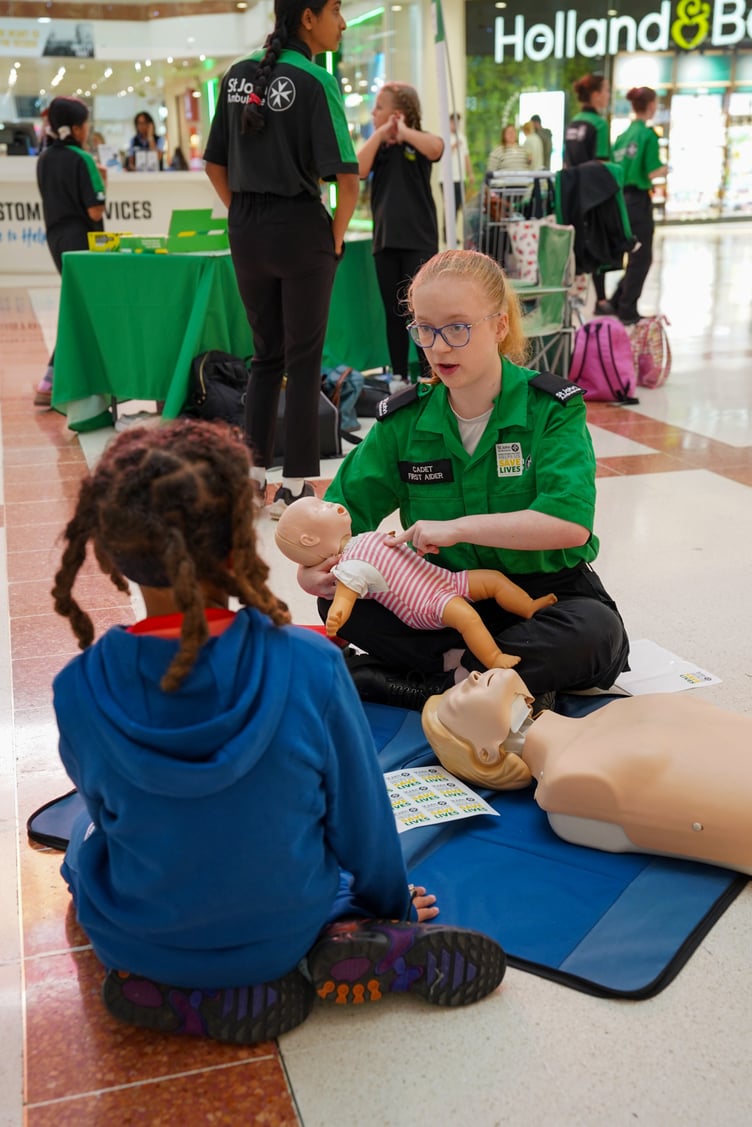
Save a Life September, St John Ambulance’s annual campaign to encourage more people to learn simple first aid skills, is well under way. This year, we are putting the power of first aid into more people's hands by making life-saving knowledge easier to access in communities across the South East.
A survey we commissioned this summer found that 27 per cent of people in the South East do not recognise that choking can become life-threatening within minutes without first aid. It also found that 41 per cent of respondents say they know how to stop someone choking by giving back blows, 40 per cent know how to give an abdominal thrust, formerly called the Heimlich manoeuvre, and 32 per cent have choked to the point of panic because they felt they could not breathe.
Throughout September, St John Ambulance volunteers will deliver free first aid demonstrations in public locations and at St John buildings, helping people learn what to do if someone is choking, as well as how to respond to cardiac arrest and severe bleeding. For anyone unable to attend an in-person event, we have a range of free first aid videos and guidance on our website (sja.org.uk).
Learning a few simple skills could help someone act when it matters most.
Jordan Davison
Community Education Partner St John Ambulance
Comments
This article has no comments yet. Be the first to leave a comment.