
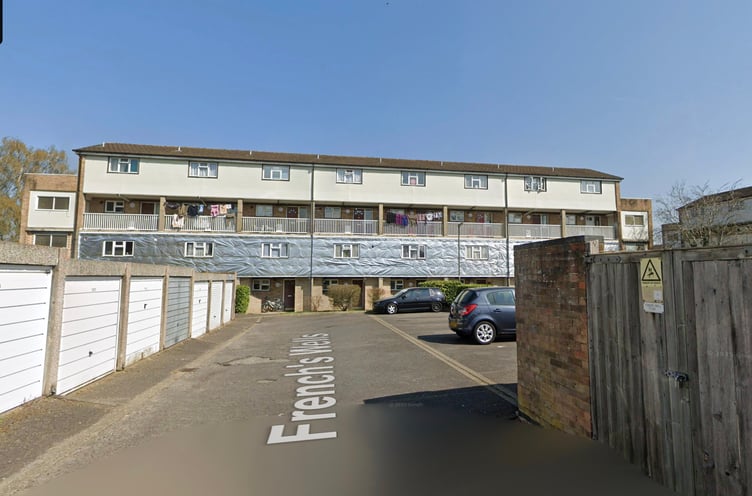
Leaseholders living in cold, wet flats left exposed to the elements after dangerous cladding was stripped from the blocks in 2024 now face a £1.27m repair bill to get them up to modern standards.
The total could have been even worse but Woking Borough Council’s executive committee agreed to slash the burden facing the 85 leaseholders by more than half – and doubled the payback period from five to 10 years.
However, it still leaves the leaseholders in the 14 Lakeview Estate blocks facing £14,941 repair bills. Council tenants are exempt from having to pay and the total represents leaseholders’ share of repair works carried out.
The original bill looked set to be £2.62m but the November committee has voted to reduce that by £1.35m, raiding the housing revenue account to cover the gap.
The council has already waived any charges relating to the cladding but there remain widespread defects to roof coverings, windows and doors, causing the buildings to be cold and let in water, that need to be fixed.
The building will also be made more energy efficient with the borough electing to do all the work at once to save costs.
In 2024, the council removed combustible cladding at the estate following a fire risk assessment.
The homes were covered in a temporary external covering but it was soon discovered that a number of other elements across the estate needed to be repaired or upgraded.
Councillor Ian Johnson, portfolio holder for housing, said: “This is a significant programme of investment across all 14 blocks at Lakeview.
“The work will address the building fire safety issues, improve the condition of the buildings, specifically the energy efficiency.

“Work is due to commence in phases, starting early next year.
“We’ve listened carefully to residents and leaseholder concerns…. particularly around affordability and the overall level of charges and whether it was reasonable for particular elements of the works to be re-charged.
“The estimated amount to recover from leaseholders has approximately halved.
“Even with those reductions we recognise that these remain large sums for individual leaseholders to find. We are therefore recommending repayment plans for leaseholders go up from the current maximum of five years to up to 10 years.
“I think this represents a reasonable balance. Leaseholders will continue to make a fair contribution towards appropriate works to their properties while the council has listened to the concerns raised.
“It enables us to move forward with essential investment that will make it safer, warmer, and more energy efficient for all the residents there.”
Leader of the council Cllr Ann-Marie Barker said: “These are always difficult situations because the cost to leaseholders is challenging. You can feel the shock and surprise when you ask them to contribute.
“We’re asking them to pay for things that would become due in the near future anyway so it’s actually reducing the cost for that because there won’t be a need to come back later and put up scaffolding again to fix the roof as it’s being done as part of these works.”
Comments
We've recently changed our login process. If you have an account for commenting, you will need to re-register on the login window.
This article has no comments yet. Be the first to leave a comment.