
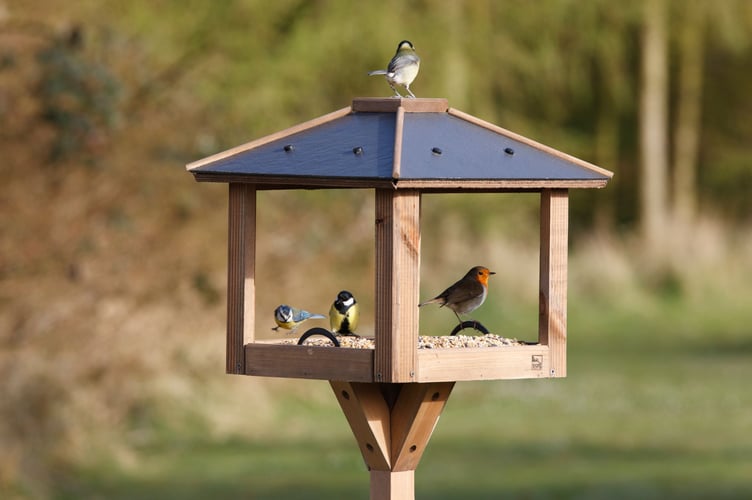
As a nation we love watching wild birds feasting on nuts and seeds from our bird feeders and bird tables. It gives us a buzz to think we’re helping them.




But our kindness and longing to attract birds to our gardens is harming them. The problem is so acute that the RSPB charity issued new guidance this month that we should stop filling bird feeders with seed and nuts from 1 May to 31 October.
Birds can source these foods from the wild, as nature intended.
The problem is that our bird feeders have become disease hotspots. The most serious disease is trichomonosis, which spreads more easily when birds gather around feeders, particularly in summer and autumn.
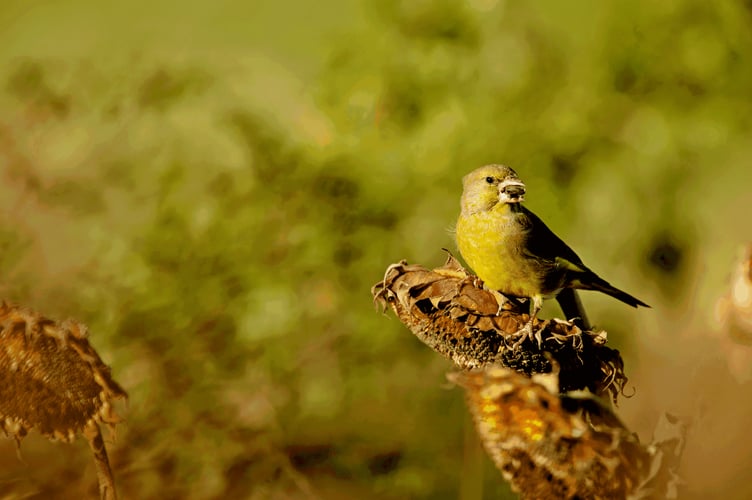
Finches in particular are suffering. UK-wide surveys show greenfinch numbers have dropped by over 65 per cent since surveys began in the mid-1990s, equating to the loss of over two million birds, and they are now on the UK Red List of threatened species.
The RSPB says that by pausing our feeding during the warm summer months we can prevent too many birds gathering in one place and passing on deadly diseases.
The RSPB’s chief executive, Beccy Speight, said: “Feeding birds is something millions of us love and value, but the science shows us that birds such as greenfinches have been affected by the spread of disease at feeders.”
Despite the risks, feeding garden birds remains hugely beneficial when done safely and at appropriate times of year.
Beccy said: “We’re not asking people to stop feeding, just to feed in a way that protects birds’ long-term health. By making small changes together, we can ensure garden feeding continues to be a positive force for nature.”
It’s important to alter what we feed to garden birds during the summer and autumn months when there’s a higher risk of disease spreading.
Don’t fill your bird feeders with seed and peanuts from 1 May to 31 October to avoid too many birds gathering in one place. It’s okay to keep offering small amounts of mealworms, fat balls or suet.
If they want seed or nuts they can find them naturally in the wild.
The RSPB says we need to prioritise hygiene. Just one infected bird can turn a busy feeder into a disease hotspot. Clean and move feeders weekly. Give feeders a good clean at least once a week.
If possible, place your feeders in a different spot after each clean to prevent the build-up of contaminated debris underneath. Any existing debris should be cleared up.
Change water daily and make sure it’s tap water. Clean water baths weekly.
Discard flat-surfaced feeders, including bird tables: research confirms there’s a higher risk of disease spreading on flat surfaces where contaminated food can collect for other birds to eat.
As well as adjusting the way we all feed our garden birds, there are plenty of other things we can do to support them to find their own food. Consider bird-friendly planting such as sunflowers, teasels and ivy. This helps provide natural, safer food sources and encourages insects.
The RSPB’s advice regarding shunning feeding seeds and nuts from May and October will not be popular with many bird lovers, nor the industry that has grown over the years to satisfy our desire to feed wild birds.
But the RSPB says it’s the best way to help threatened species in the long term.
Will you follow the RSPB’s advice or continue to feed birds as usual? Please tell us at the News & Mail.
Comments
This article has no comments yet. Be the first to leave a comment.