
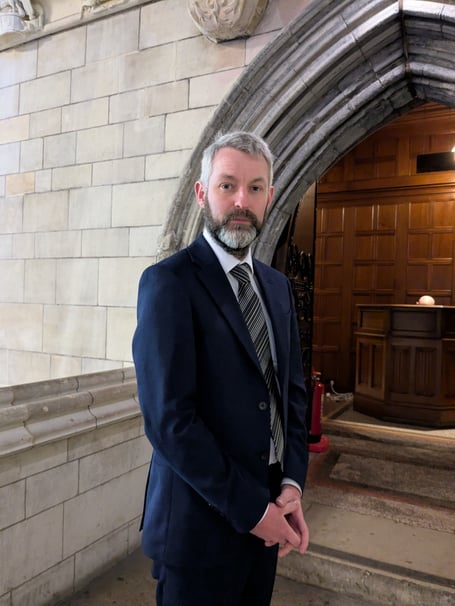
I’ve got my feet back under the desk in Westminster following Easter recess - but I won’t be back for long. The Labour Government has announced plans to prorogue Parliament in the coming weeks, bringing the current session to a close.
While this is a normal part of the parliamentary calendar, it is also the clearest sign yet that Labour are terrified of annihilation at the local elections.
Prorogation ends the session of Parliament, effectively pausing all Parliamentary business and giving MPs more time to hit the campaign trail and engage with voters on the doorsteps.
Ending a session of Parliament has important consequences for the progress of legislation. Quite a few bills that have not completed their passage through both the House of Commons and the House of Lords fall.

.jpeg?width=209&height=140&crop=209:145,smart&quality=75)


In practical terms, this means that proposed laws, some of which may have taken months of debate, scrutiny and amendment, must either be reintroduced in the next session or are dropped entirely - unless the Government specifically agrees or allows the bill to be carried over.
For constituents, this can mean delays to reforms - and uncertainty around policies that may directly affect their lives. The standout example from this session is the Terminally Ill Adults (End of Life) Bill.
Whichever side of the debate you were on, this was a historic vote - and one of the hardest decisions MPs have ever had to face.
In the chamber I heard heartbreaking stories from both sides. It took a huge toll on politicians and campaigners alike, as well as an enormous amount of MPs' time.
The decision to prorogue Parliament means that this piece of legislation will most likely not go through - despite MPs voting in favour. This is just one example of many, but clearly shows that this Government has put the interests of the party above the public.
Once MPs return, there will be a new King's Speech, setting out a new agenda for the next session of Parliament. Given how little progress was made on the last King’s Speech, I’m not expecting much.
It is also important to distinguish prorogation from dissolution. Parliament has not been dissolved, MPs will continue to represent their constituents, hold surgeries, and work on local issues.
This pause does however limit Parliament’s ability to hold the Government to account - at a time when many people are rightly focused on issues such as the cost of living, access to healthcare and public services.
That is why the timing of prorogation matters. Choosing to do this just ahead of the local elections speaks to a Government that is trying to avoid scrutiny on its litany of failures from the last King’s Speech.
For Woking, my key priority is ensuring that this pause does not translate into lost momentum. Whether it is improving local healthcare provision or supporting families, I will continue working with colleagues, stakeholders and Ministers to make the case for our area and ensure that important measures return quickly in the next session.
Prorogation may mark the end of one parliamentary chapter, but it should also be an opportunity to refocus on what matters most: delivering practical improvements for people’s everyday lives.
I will be pressing for a legislative programme that reflects those priorities and ensures that Parliament gets back to work without unnecessary delay.
Stay in touch: [email protected] https://www.willforster.co.uk/; Instagram @forster_will; Facebook.com/WillforWoking; X @WillForster
Comments
We've recently changed our login process. If you have an account for commenting, you will need to re-register on the login window.
This article has no comments yet. Be the first to leave a comment.