
It’s great to observe and learn about nature, but why not ramp up your enthusiasm to another level?



Many of the wild creatures that enrich our lives – and, in many cases, on which we depend for our survival – need our help.
They are looked after by dozens of local and national wildlife charities, from those focusing on families of creatures or types of plant – such as butterflies, bats or birds– to those with a general outlook such as Surrey Wildlife Trust.
I’ll feature some of these nature charities occasionally here in “Out and about” through the year. Their focal points may vary, but they have one thing in common: they need the support of nature-lovers to continue their work. An easy way to get involved is to become a member.
Membership of a wildlife charity is interesting and rewarding. Most charities issue newsletters and guides, so you can learn about the creatures and plants with which we share our planet.
It’s a great way to learn about wildlife and the charity’s work while also supporting it financially.
Many charities have group activities and meetings, usually on a regional level, where you can meet and hear from like-minded individuals and learn about species in detail.
Most also offer volunteering opportunities which can range from counting target species as part of scientific research to practical fieldwork such as clearing invasive shrubs from nature reserves.
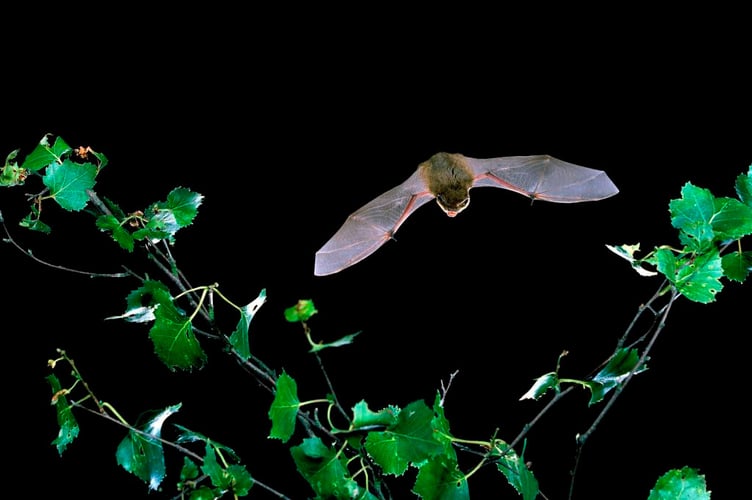
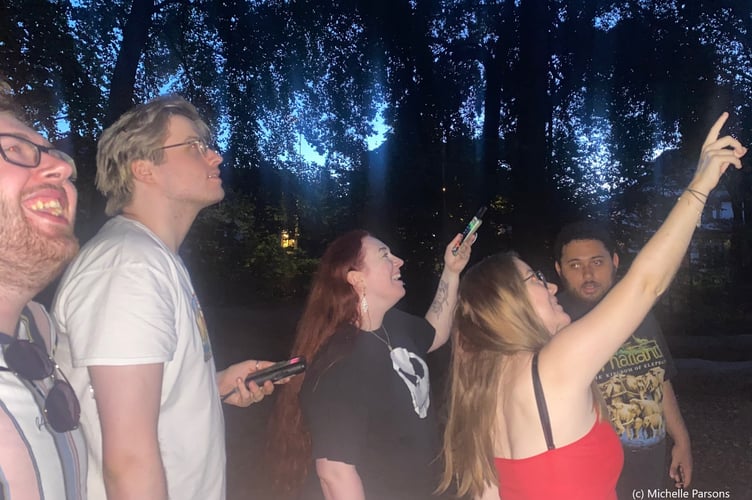
This week we focus on supporting bats. There’s a Surrey Bat Group (www.surreybats.org.uk). Membership is just £5 per year. Members receive four copies of its newsletter a year, plus opportunities to attend talks and training, and take part in bat surveys.
Surrey Bat Group is affiliated to the national Bat Conservation Trust (BCT) with nearly 5,000 members. Its vision is of a world “rich in wildlife where bats and people thrive together”.
BCT focuses on discovering more about bats and how they use the landscape, taking action to protect bats and enhance the landscapes on which they rely. It works with volunteers, scientists, industry and government – locally and nationally – on a range of projects.
Its work includes running a National Bat Monitoring Programme, as bat numbers in the UK have declined dramatically over the last century. You can help monitor the UK's bats by taking part in surveys.
By monitoring bats, researchers can discover how they are faring and the factors important for their survival. The National Bat Monitoring Programme gives the BCT, and government, the information needed to help inform bat conservation.
The Bat Conservation Trust offers various membership options. It says that by becoming a member, you will be directly helping to protect bats and their habitats for future generations to enjoy.
All new members receive a welcome pack including leaflets, postcards, a ”Bats of Britain and Ireland” poster and a member exclusive pin badge.
Members have discounts on bat-related training courses and receive a subscription to Bat News magazine (published three times a year).
An alternative to individual membership is family membership; these also receive a magazine for children: The Young Batworker also published three times a year.
Also available is an annual Young Batworker's Club membership for children aged 16 and under –the ideal birthday gift for a bat-crazy youngster!
Teachers and youth leaders can select a special membership option; this includes an education pack containing information designed to further the understanding and enjoyment of bats.
For full details of the Bat Conservation Trust and its memberships visit www.bats.org.uk
Comments
This article has no comments yet. Be the first to leave a comment.