
When SK* first walked into my therapy room, she looked like many women I meet — capable, intelligent and holding everything together on the outside while quietly unravelling on the inside.
In her late forties, a single mother of three teenagers and a full-time solicitor, she had been carrying far more than most people could imagine. Her marriage had ended five years earlier, her ex-husband’s health prevented him from contributing much, and her elderly mother had begun showing signs of dementia.
Every part of her life demanded more than she had left to give.
Her days began at 5.30am and often stretched past 11pm. Work deadlines, school runs, cooking, cleaning, caring for her mother, finishing legal reports late into the night — then waking to do it all again.
Weekends offered no rest. One afternoon, overwhelmed and exhausted, SK broke down in front of her manager. That moment became her turning point.
In our first session, SK cried — not because she was weak, but because she had been strong for too long. She spoke about feeling invisible, stretched thin, and disconnected from herself. Sometimes healing begins simply with being heard.
We didn’t start with dramatic changes. We began with small, compassionate steps — the kind that fit into a life already overflowing. SK started taking her lunch away from her desk, stepping outside for ten minutes, and getting off the train one stop early.
These tiny acts of movement helped her body remember what calm felt like. She reduced late-night scrolling and replaced it with gentle breathing and meditation to help her mind slow down.
As trust grew, SK began releasing emotions she had swallowed for years. We explored her inner overflowing stress pot and emotional management techniques. She wrote frustrations on paper and threw them away.
She spilled out sadness in unsent letters to her mother and ex-husband. She used the empty-chair technique to express anger she could never say aloud. Each time, she felt lighter — as if she had emptied a pot that had been boiling over for years.


A breakthrough came when she shared a childhood memory of being bullied. She realised her fear of speaking up at work wasn’t about her manager — she had carried that fear into adulthood. Through inner-child work, she reclaimed her voice and began practising assertiveness.
We also explored her support network. SK had been coping alone, but no one can carry that much weight without help. She reached out to a best friend, a kind neighbour, and other parents at school. Slowly, she rediscovered connection and began building a circle that offered safety.
One day she mentioned she used to love painting and cooking with her grandmother. Her face softened. This awareness led her to join a summer art group, reconnecting with creativity and joy after many years.
Financially, a spa weekend wasn’t possible, so we created a home spa day: a long bath, calming music, meditation, nourishing food, and permission to rest.
We also explored ways her teenagers could contribute more through small chores, reward systems, and clearer expectations. This reduced her load and strengthened family cohesion.
By the end of our work, SK felt clearer, more energised, and more in control. Her life hadn’t become easier — but she had become more resourceful and resilient.
If you see yourself in SK’s story, remember: you don’t need a life overhaul. You need small, compassionate steps and a safe space to be heard so you can reclaim your power again.
*not her real initials
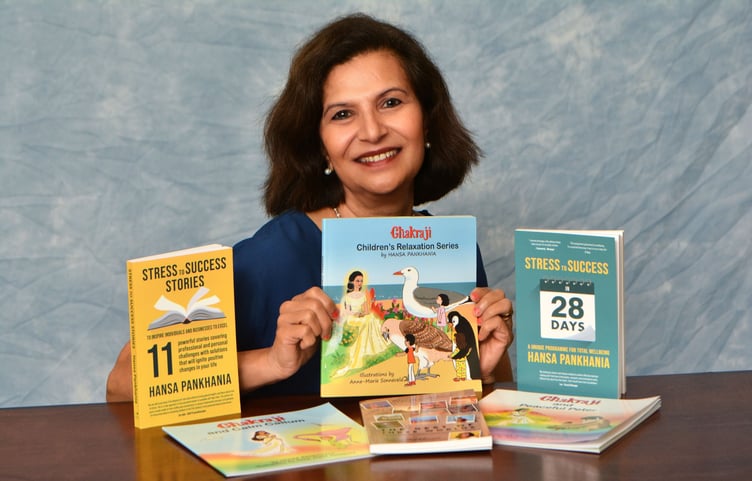
For more information, visit www.aumconsultancy.co.uk (wellbeing services), www.hansapankhania.com (books) or text 07888 747438.
Comments
We've recently changed our login process. If you have an account for commenting, you will need to re-register on the login window.
This article has no comments yet. Be the first to leave a comment.