
.jpeg?trim=0,0,0,0&width=752&height=500&crop=752:500)
As Surrey heads into the new year, the mood at Woodhatch Place, the county council’s headquarters, is one of reflection and quiet apprehension for the year ahead.
For Cllr Tim Oliver, leader of Surrey County Council, the festive period comes at the end of what he described as a “busy” year. One that began with the announcement of the biggest shake-up in local government for decades and will end with the council preparing for even more change in 2026.
“It’s been quite a journey,” he said, reflecting on the year since local government reorganisation was announced. “But we’ve ended it in a pretty good place in terms of setting ourselves up for the heavy lifting over the next 12 months.”
While Christmas brings a lull in council business and many work places, Cllr Oliver joked that residents “with a bit of time on their hands” are still keen to get in touch about local issues. But there is no resentment in his voice, just a familiar sense that public service never stops.

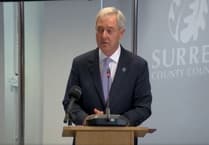


Sat in his office, the council leader seemed slightly weary but ready for a 30-minute interview.
“I just marked seven years as the leader of this council. I feel proud of what the council has done over that period in terms of financial stability, we’ve invested a lot into communities like Your Fund Surrey,” said Cllr Oliver, reflecting back on his time at the local authority.
“I don’t believe that I am a political person,” added Cllr Oliver, the Conservative leader of the council, “or that I run this council in an overtly political way.”
It is a claim some of his colleagues and opponents may find laughable. Particularly when the councillors might claim the council is concerned about financial resilience despite all the criticism over its SEND service, asset-based funding and ambitions to empower communities and charities with funding rather than expand the council’s services.
But Cllr Oliver confirmed the council should not be swayed by ideology and national movements. “There shouldn’t be party politics in local government,” he said. “We have one job here and we are elected to improve the lives of our residents.”
Yet the past year has shown how difficult that principle can be to maintain. Debates over reorganisation, he said, have exposed what he described as a rise in “tribal politics” within the council’s HQ.
“One of the things that has been slightly disappointing over this last year is that there has been a bit of tribal politics around the reorganisation,” he said.
This criticism was robustly rejected by opposition councillors. Liberal Democrat leader Paul Follows said that while the Conservative leader was “disappointed” by the tone of the debate, the response from other parties reflected what they saw as the reality that only the Conservatives supported pursuing local government reorganisation in its current form.
He said Lib Dems across Surrey had supported reform only where it was rooted in “genuine localism” and underpinned a proper assessment of the county’s financial challenges.
Cllr Follows said: “It is difficult to see what, if any, benefit this rushed process of local government reorganisation brings to Surrey – particularly to boroughs that are largely self-sufficient and solvent, such as Waverley, Guildford, and Reigate and Banstead.”
Cllr Oliver acknowledged that local election results often reflect national sentiment, regardless of how councils perform. “You could be the most outstanding council,” he said, “but if you’re standing through a political party, it reflects the national position.”
While he said he was proud of the council’s record on financial stability and service improvement, he admitted he did not know how voters would respond in an election which is likely to be shaped by national politics, council tax pressures and public frustration.
“I genuinely don’t know what will happen here locally,” he said. Cllr Oliver said he saw no evidence that Reform-run councils were doing anything fundamentally different from authorities already under financial pressure.
Despite his concerns, Cllr Oliver said residents ultimately judge councils on outcomes rather than ideology, on results rather than rhetoric.
As he prepares to take a step away from leadership, Cllr Oliver said whoever takes over must remain true to acting in the best interest of residents.
Comments
This article has no comments yet. Be the first to leave a comment.