
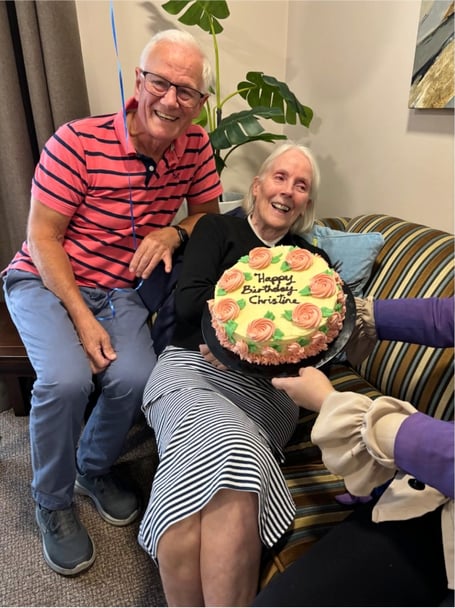
A Surrey husband whose wife has Alzheimer's disease has spoken of the heartbreaking years they spent struggling in silence before finally seeking help.
Neil Robjohn, who has been married to his wife Christine for 52 years, says families facing a dementia diagnosis should not wait until they reach crisis point before asking for support.
Christine, 74, began showing signs of the condition in 2019, although it was another year before she received an official Alzheimer's diagnosis in December 2020.
For Neil, the years that followed were among the most difficult of their marriage.
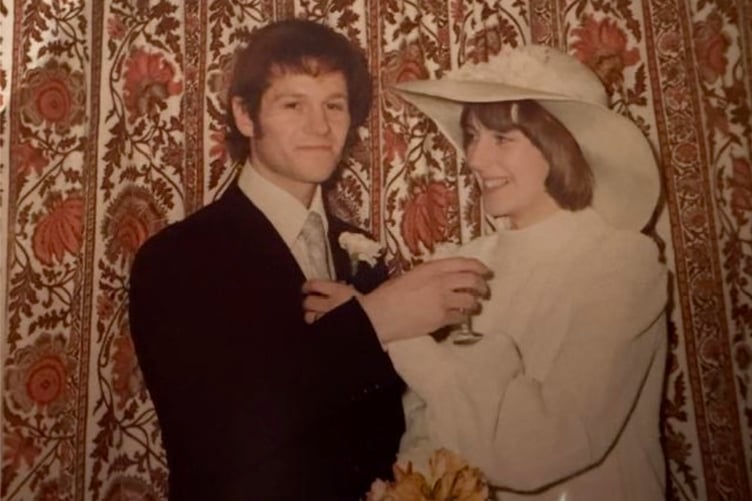
"From our first family conversation, just after Christmas in 2019, after having known for some time something was wrong, to an official Alzheimer's diagnosis in December the following year, to realising at Christmas 2023 as a family that we needed extra support, it was a terrible, awful journey," he said.
"Christine and myself almost went into a shell when we found out. There were lots of assessments, referrals and consultations and we kept it private, but that's not the right thing to do. Don't be too proud to ask for help, grab it and accept it."
As Christine's condition progressed, everyday life became increasingly unpredictable.
"Her behaviour had become erratic, and every day was different. Sometimes she left the house late at night, thinking she didn't live there, and I would walk behind her to keep her safe," Neil recalled.
Eventually, the family realised they could no longer manage without additional support.




"It had got to crisis point for us and when she moved into a home the first one she went to wasn't the right fit and they couldn't cope with Christine," he said.
Christine eventually moved into a specialist dementia care home in Guildford, where she has been living for two and a half years.
For Neil, one of the most important things has been seeing his wife regain a sense of purpose and independence.
Christine spent 44 years working as a senior management nurse, and although Alzheimer's has changed her daily life, her professional instincts have not entirely disappeared.
Staff have occasionally given her a bunch of keys and allowed her to accompany a nurse on rounds.
On another occasion, Christine wandered into a management meeting. Rather than asking her to leave, those present invited her to sit down.
"After ten minutes, Christine stood and said, 'You're all doing very well, I'll leave you to it,'" Neil recalled.
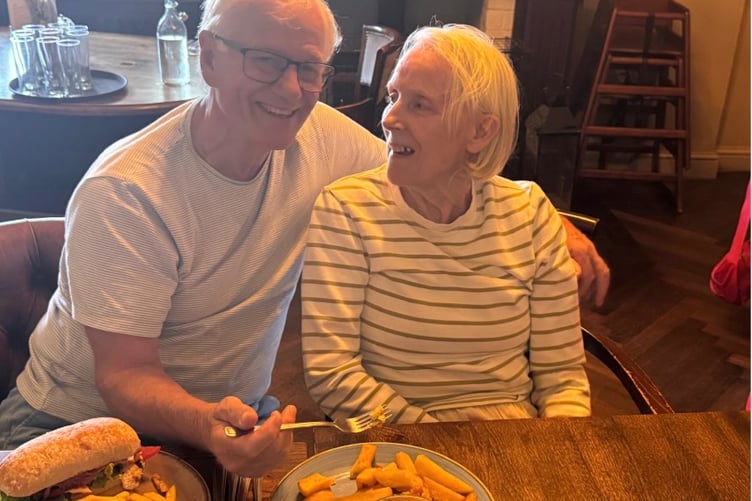
There have also been opportunities for the couple to enjoy time together away from the home.
Christine recently went on a canal boat trip and enjoyed a visit to Alice Holt, where she and Neil took a ride on a specially adapted bicycle, with Neil pedalling while Christine sat in front.
She continues to enjoy singing, live music and walks in the grounds, while family and friends recently gathered to celebrate her birthday.
Neil said seeing Christine settled and enjoying familiar activities had made a considerable difference.
"Christine is now so relaxed and calm and they really cater to all the individuals and their different needs. The team really see the person, not a 'dementia patient'," he said.
Reflecting on their experience, Neil believes families need to have difficult conversations about dementia sooner rather than later.
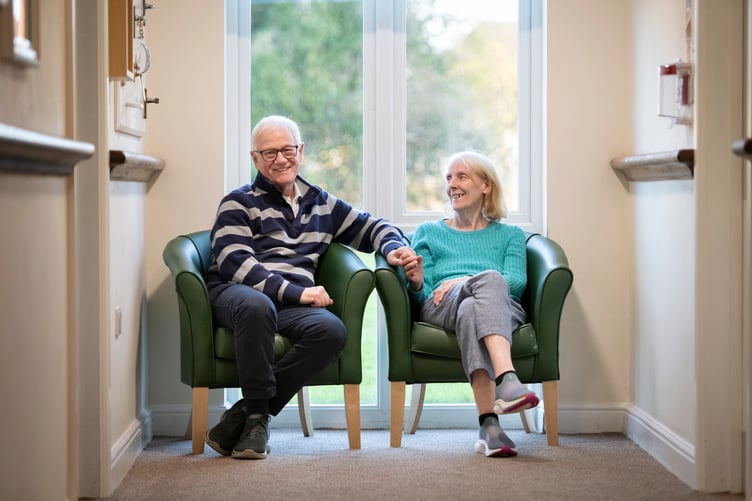
"What I would say to others in the same situation is, don't delay. As hard as it is to face, you know what's coming, so plan ahead in order to limit any possible later complications," he said.
"Prepare yourself early and start making plans. That will give you time to visit homes and some you'll know instantly if they are right. Some have the wow factor, but do they meet all your needs? Are the residents getting what they need? What is the longevity of the team?"
He also encouraged families to make use of support from councils, community organisations, friends and relatives.
"You also have to use your network and get all the help that's out there, from local councils to community services, who will be able to give advice and recommendations and help you to realise you are not on your own, to family and friends."
Christine now lives at Claremont Court in Harts Gardens, Guildford, a specialist home for people with mid-stage, advanced and complex dementia.
Her story was shared following World Alzheimer's Month in September, which the home marked with a gathering for residents and their families.
Home manager Karen Byres said maintaining residents' independence and connections with loved ones was an important part of dementia care.
"Our approach is that living with dementia doesn't mean you can't maintain your quality of life. We like to focus on what residents can do rather than what they can't do, and it's important to us that family members feel 'at home' too and are equally supported," she said.
Comments
We've recently changed our login process. If you have an account for commenting, you will need to re-register on the login window.
This article has no comments yet. Be the first to leave a comment.