
Gull cull or gull love?
.jpeg?width=209&height=140&crop=209:145,smart&quality=75)



Seagulls divide opinions. Many visitors and residents of seaside towns say they’re a nuisance, especially as they’ve become more daring in grabbing our food – everyone has tales to tell of stolen ice creams and lunches!
There’s also talk of them being more aggressive in protecting their young – dive-bombing and even attacking people and animals. And they poo everywhere!
But any call for a local gull cull faces firm challenges from environmentalists.
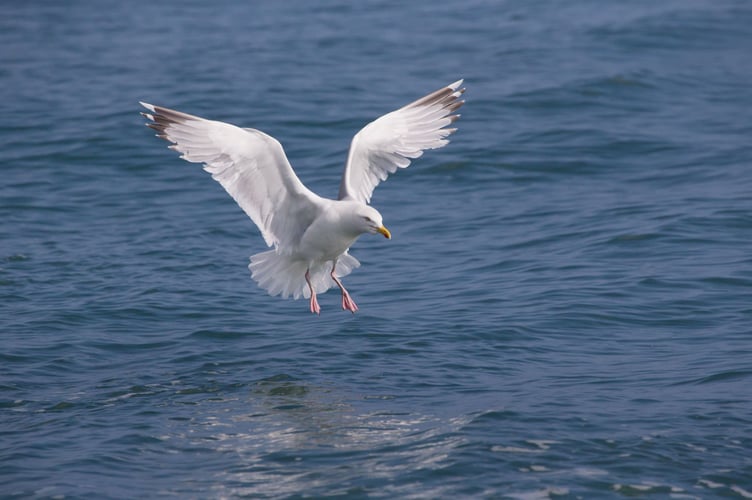
Many ”seagull” species including the herring gull – the big gull that is the biggest nuisance in many seaside towns – are on the UK Red List of endangered species, meaning they are of most conservation concern.
A report published last week by the British Trust for Ornithology (BTO) assesses the outcomes of a long-standing nationwide study into the numbers and distribution of the UK’s common gull species.
Carried out in the winters of 2023-24 and 2024-25, the most recent Winter Gull Survey (WinGS) has revealed a bleak picture overall for these birds.
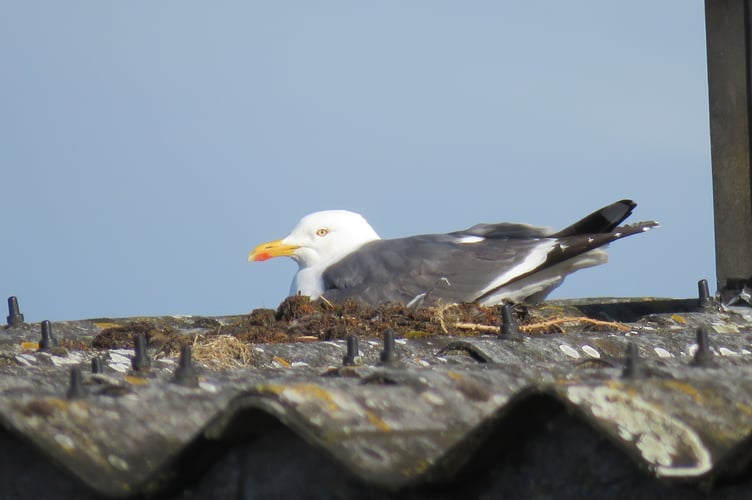
The project studied six species: black-headed gull, common gull, lesser black-backed gull, herring gull, great black-backed gull, and Mediterranean gull. This latter species, a relatively recent coloniser, is still only present in small numbers.
Counts at roost sites across the two winters revealed substantial population declines for four of the five main wintering species.
Herring gull numbers have remained largely stable over the last 20 years, following a substantial decline prior to the previous WinGS, after which it was added to the Birds of Conservation Concern Red List.
But black-headed gull, common gull, lesser black-backed gull, and great black-backed gull all experienced notable declines.
Over the two decades since the last WinGS, the total number of gulls wintering in the UK has decreased from 3.9 million to just under 2.5 million.
Their declines are due to several factors: existing and emergent diseases such as High Pathogenicity Avian Influenza (HPAI); changes in commercial fishing that mean less fish is discarded offshore; and our changed waste management practices – the rubbish tips (landfill sites) that once provided rich pickings for hungry gulls and helped boost their numbers now provide less food due to our increased use of recycling and composting.
Emma Caulfield, BTO Research Ecologist and survey coordinator, commented: “These figures are pretty alarming. Despite these smart and adaptable birds figuring out how to live alongside us, the ever-changing world appears to be moving too fast for them to keep up.
“By understanding the problems these familiar and widespread birds are facing, we can hope to reverse some of the negative trends and work to ensure that they remain a part of our cherished seaside environment.”
If the public believes gulls to be seaside pests, but conservationists are against culls or other actions to limit numbers, what can we do to minimise their nuisance?
I have one suggestion: don’t encourage gulls’ “needy” behaviour by throwing food out for them or holding up titbits (often as entertainment). Our processed food isn’t good for them anyway!
Gulls managed to feed themselves on natural foods around our shores before taking advantage of us.
With large brains, gulls including the herring gull are among the cleverest of birds, which helped them adapt to our urban environments. If a baby gull is offered scraps, it will forever associate humans with food. It’s no wonder gulls are so daring.
Enjoy watching seagulls, but let them be: don’t encourage bad feeding habits!
Comments
We've recently changed our login process. If you have an account for commenting, you will need to re-register on the login window.
This article has no comments yet. Be the first to leave a comment.